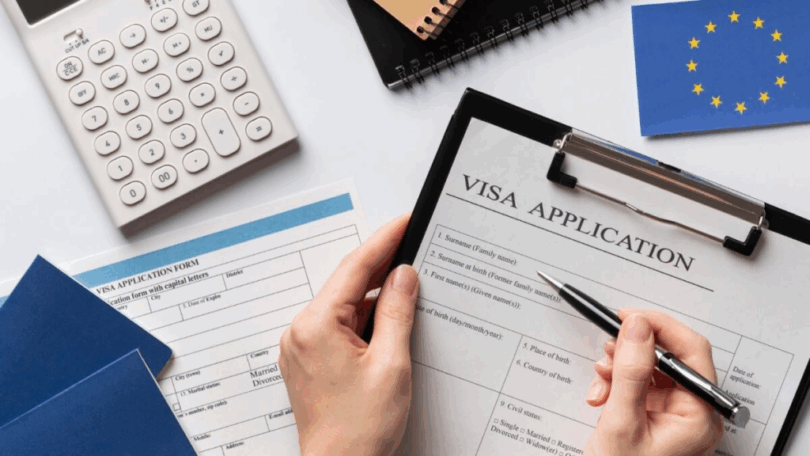

Planning a trip to Europe in 2025? The Schengen Visa is your gateway to exploring 27 European countries with a single travel document.
Whether you’re dreaming of strolling through Paris, skiing in the Alps, or savouring pasta in Rome, understanding the Schengen Visa process is crucial for a hassle-free journey.
This comprehensive guide covers everything you need to know about the Schengen Visa in 2025, including requirements, fees, processing times, and expert tips to boost your approval chances. Let’s dive in!
What Is a Schengen Visa?
A Schengen Visa is a short-stay visa that allows you to travel to any of the 27 Schengen Area countries for up to 90 days within 180 days.
These countries include Austria, Belgium, Croatia, the Czech Republic, Denmark, Estonia, Finland, France, Germany, Greece, Hungary, Iceland, Italy, Latvia, Liechtenstein, Lithuania, Luxembourg, Malta, the Netherlands, Norway, Poland, Portugal, Slovakia, Slovenia, Spain, Sweden, and Switzerland.
This visa is ideal for tourism, business trips, family visits, or short-term studies. However, it’s not valid for long-term stays, work, or residency. Let’s explore how to get one in 2025.
Types of Schengen Visas
Before applying, it’s essential to know which type of Schengen Visa suits your travel purpose. Here are the main categories:
- Uniform Schengen Visa (USV): This is the most common type, allowing travel across all Schengen countries for tourism, business, or family visits. It’s valid for up to 90 days and can be issued as a single-entry, double-entry, or multiple-entry visa.
- Limited Territorial Validity Visa (LTV): This visa restricts travel to specific Schengen countries, as specified in the application.
- National Visa: For longer stays, such as work or study, but not covered under the standard Schengen Visa rules.
- Airport Transit Visa: Required for travellers transiting through a Schengen airport but not leaving the international zone.
Schengen Visa Requirements for 2025
To apply for a Schengen Visa in 2025, you’ll need to submit a set of documents that prove your eligibility, travel purpose, and financial stability. While requirements may vary slightly by country or consulate, here’s a universal checklist:
1. Completed Application Form
- Download the official Schengen Visa application form from the embassy or consulate website of the country you’re applying through.
- Fill it out accurately, ensuring all details match your supporting documents.
2. Valid Passport
- Your passport must be valid for at least three months beyond your planned departure from the Schengen Area.
- It should have at least two blank pages for visa stamps.
- Provide photocopies of the passport’s data page and any previous Schengen visas.
3. Passport-Sized Photos
- Submit two recent photos (taken within the last six months) that meet Schengen specifications (35×45 mm, white background, neutral expression).
4. Travel Itinerary
- Provide a detailed travel plan, including flight reservations, hotel bookings, or an invitation letter if visiting family or friends.
- Include proof of onward travel (e.g., a return flight ticket).
5. Travel Insurance
- A mandatory travel health insurance policy covering at least €30,000 for medical emergencies and repatriation is required.
- Ensure the insurance is valid across all Schengen countries and for the entire duration of your stay.
6. Proof of Accommodation
- Submit hotel reservations, rental agreements, or a letter of invitation from a host in the Schengen Area.
- If staying with friends or family, include a formal invitation letter and proof of their legal residency.
7. Financial Proof
- Demonstrate that you can financially support yourself during your trip (e.g., bank statements from the last three months, pay slips, or a sponsor’s letter).
- The minimum required amount varies by country but typically ranges from €50–€100 per day.
8. Proof of Employment or Study
- Employed applicants need a no-objection certificate (NOC) from their employer, stating their position and leave approval.
- Students must provide a letter from their educational institution.
- Self-employed individuals should submit business registration documents or tax returns.
9. Visa Fee Payment Receipt
- Pay the visa fee (more on this below) and include the receipt with your application.
10. Additional Documents (If Applicable)
- For business visas: An invitation letter from a company in the Schengen Area.
- For medical visas: A letter from a medical institution confirming treatment.
- For minors: A notarized parental consent letter and birth certificate.
Schengen Visa Fees in 2025
- Adults: €80 (approximately $85 or ₹7,200 for Indian applicants).
- Children (6–12 years): €40 (approximately $42 or ₹3,500).
- Children under 6 years: Free.
- Special Categories: Certain applicants, such as students or researchers under specific programs, may be exempt from fees. Check with the consulate for eligibility.
Additional Costs
- Service Fees: If applying through a visa application center like VFS Global, expect an additional service fee of €20–€30 (approximately ₹2,000 for Indian applicants).
- Biometric Fees: Some centers charge for biometric data collection (fingerprinting and photo).
- Courier Fees: Optional for document delivery.
- Expedited Processing: Available in some countries for an additional cost, though not guaranteed.
Note: Visa fees are non-refundable, even if your application is rejected. Always confirm the exact amount with the consulate or visa center.
Schengen Visa Processing Time in 2025
The processing time for a Schengen Visa in 2025 typically ranges from 15 to 30 calendar days, depending on the country, consulate workload, and time of year. Here’s a breakdown:
- Standard Processing: Most applications are processed within 15 days. However, during peak travel seasons (e.g., summer or holidays), it may take up to 30 days.
- Expedited Processing: Some countries offer faster processing for an additional fee, reducing the wait to 5–10 days.
- Delays: Incomplete applications, high application volumes, or additional scrutiny can extend processing times to 45 days or more.
Fast-Track Options
Certain Schengen countries are known for faster processing times in 2025. According to recent data, countries like Iceland, Lithuania, Estonia, and Latvia often process visas within 7–10 days due to lower application volumes.
Expert Tip: Apply at least 30–45 days before your planned travel date to account for potential delays, especially during peak seasons like summer 2025.
How to Apply for a Schengen Visa in 2025
- Determine Your Main Destination: Apply through the consulate of the country where you’ll spend the most time or enter first if your stay is evenly split across multiple countries.
- Book an Appointment: Schedule an appointment with the relevant embassy, consulate, or visa application center (e.g., VFS Global or BLS International).
- Gather Documents: Prepare all required documents as listed above.
- Submit Your Application: Attend your appointment, submit your documents, and provide biometric data (fingerprints and photo) if required.
- Pay the Fee: Pay the visa and service fees at the time of submission.
- Track Your Application: Use the tracking number provided by the consulate or visa center to monitor your application status online.
- Collect Your Passport: Once processed, collect your passport or opt for courier delivery.
Tips to Boost Your Schengen Visa Approval Chances
- Submit a Complete Application: Double-check that all documents are accurate and up-to-date.
- Provide a Clear Itinerary: A detailed travel plan reassures consulates of your intentions.
- Show Strong Ties to Your Home Country: Evidence like a job, property, or family ties can prove you’ll return after your trip.
- Apply Early: Avoid last-minute applications to prevent rushed errors.
- Choose the Right Country: Countries like Iceland or Estonia may have higher approval rates due to lower application volumes.
Common Reasons for Schengen Visa Rejection
- Incomplete Documents: Missing or incorrect documents are the top reason for rejection.
- Insufficient Funds: Failure to prove financial stability can lead to denial.
- Unclear Travel Purpose: Vague or inconsistent travel plans raise red flags.
- Invalid Insurance: Ensure your travel insurance meets the €30,000 coverage requirement.
- Previous Visa Violations: Overstaying a previous visa can result in automatic rejection.
Which Schengen Countries Are Easiest to Apply Through?
For faster approvals and simpler processes, consider applying through these countries in 2025:
- Iceland: Minimal application volumes and quick processing (7–10 days).
- Lithuania: Known for efficient visa processing and high approval rates.
- Estonia: Streamlined procedures and fewer applicants.
- Latvia: Fast turnaround times, especially for tourism visas.
Conclusion
Securing a Schengen Visa in 2025 doesn’t have to be daunting. By preparing the right documents, understanding the fees, and applying early, you can increase your chances of approval and embark on your European adventure with confidence.
Whether it’s the vibrant streets of Barcelona or the serene fjords of Norway, the Schengen Area awaits you. Start planning today, and bon voyage!